Gone by Midnight: The Collectors Buying Art They're Not Allowed to Keep
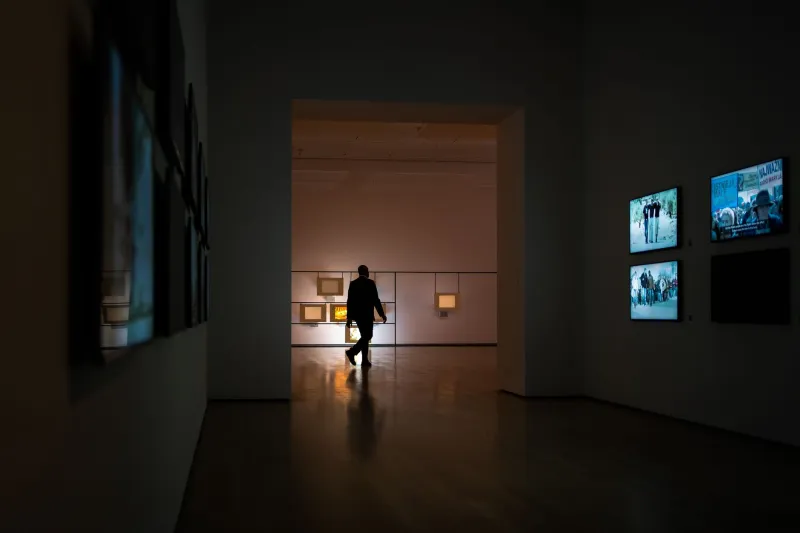
In a converted loft in Brooklyn, a collector sits in front of a screen with no browser tabs open and no phone in hand. A digital work begins: a slow fade, a few precise lines, a sound that feels like a room exhaling. Eleven minutes later, it ends. The artist opens a folder, shows the collector the only file, and deletes it. No backup. No cloud copy. No screenshot. The collector leaves with a date, a memory, and a receipt that describes almost nothing.
This is not a stunt, or at least not only a stunt. Across the United States, a small but growing group of collectors is commissioning digital works designed to be viewed once and then permanently removed. The prices are real, often ranging from a few thousand dollars to the low five figures. The rules are strict. The appeal is harder to explain, which may be exactly the point.
The Ritual Comes First
The viewing is usually an appointment, not a drop. Collectors describe it as closer to a private performance than a transaction. There is a start time, a duration, and an ending that everyone in the room understands. The artist or a curator controls the screen. The buyer is asked not to record. In some agreements, the no-screenshot clause is explicit; in others, it is simply the social contract of the room.
That structure matters. A digital image can be copied forever, so the scarce thing is not the file. It is the first viewing, the undivided attention, and the shared understanding that this will not come back. Collectors in Austin, Los Angeles, Miami, and Seattle are paying for that hour of focus as much as for the artwork itself.
Why Pay for a Memory?
Impermanence has become a luxury signal in a culture drowning in storage. We keep everything: old photos, old drafts, old versions of ourselves. A work that refuses to be kept stands out. It cannot be resold, filed, or shown to a dinner party. It can only be described. That description becomes part of the collector's personal collection, a story that lives in conversation rather than on a wall.
The artists lean into this. Many design the work for a single sitting: a sequence that rewards patience, a detail that appears only near the end, a color shift that would lose its effect on a second viewing. Some works include sound. Some are intentionally quiet. The minimalist impulse is strong here, because every element has to justify its place in a one-time experience.
The Rules Are the Product
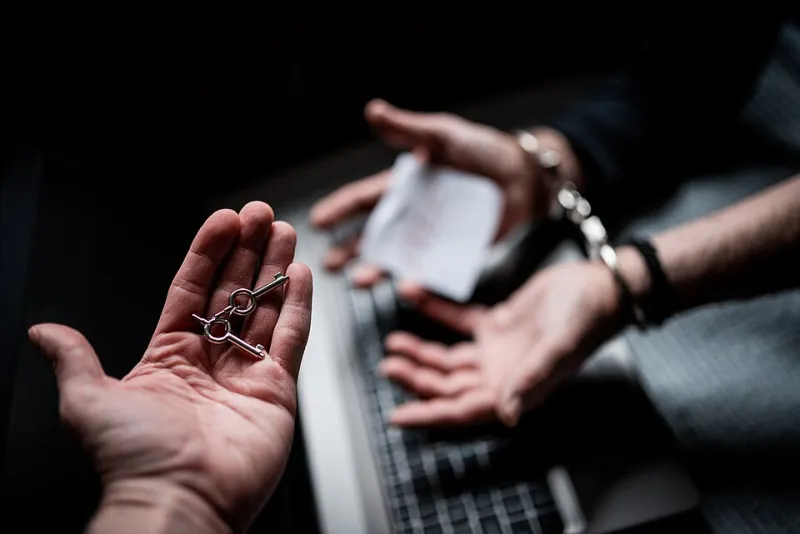
The contract is often brief but pointed. No screenshots. No backups. No resale. No archival copy. In some cases, the buyer receives a physical certificate with no image, only a title, a date, and a short description. The certificate is not proof of ownership in the traditional sense. It is proof of attendance.
Enforcement is mostly trust, which sounds fragile until you talk to the people involved. They argue that the value depends on the agreement, and that collectors who break it are not buying the work anyway. They are buying a different thing: a file. The market for that already exists, and it is crowded.
What Buyers Actually Get
Collectors say they get relief. No storage questions. No insurance. No debate about how to display the piece. No pressure to post it. The work becomes a private event, which is increasingly rare in digital culture. It also gives artists a way to make money without producing endless editions or chasing platform metrics.
There is a social edge to it, too. A one-time work is a story you can only tell, not show. That makes it intimate. It also makes it slightly suspicious to anyone who measures value by what can be verified. The collector cannot prove the experience happened, except by describing it. In a market built on receipts, that is a bold position.
The Risk of Forgetting
Critics ask the obvious question: if no one can revisit the work, does it build anything lasting? A reputation, maybe. A legend, possibly. But not an archive. Some artists counter that memory is an archive with better editing. Others admit the form is partly a reaction to digital clutter, and reactions have limits.
For now, the appeal is clear enough. The delete button has become a gallery wall, and the wall is empty by design. In a country that keeps everything, a small group of collectors is paying to keep almost nothing. They are not collecting files. They are collecting the moment the file went away.